
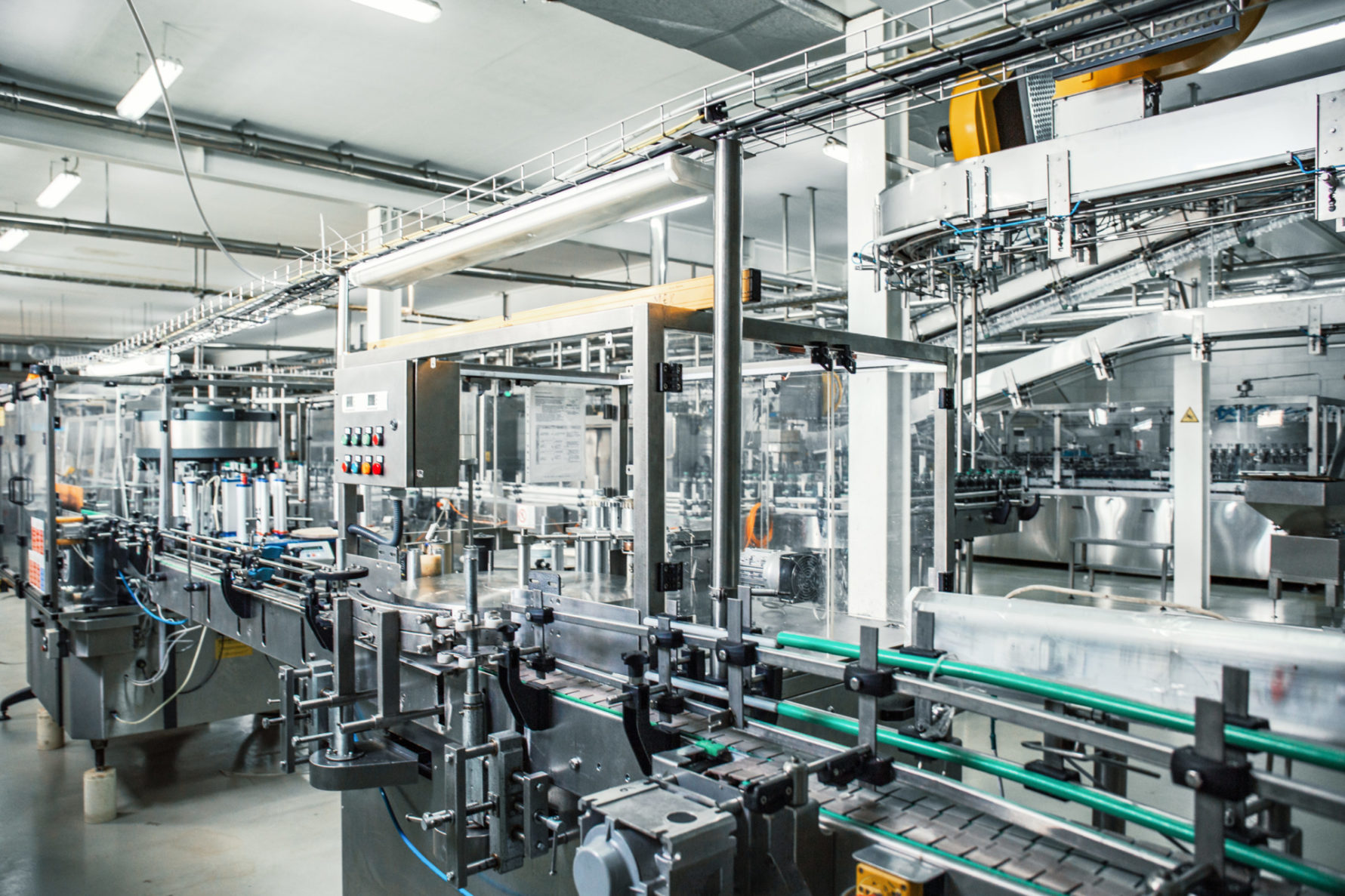
Machine/Plant Automation
Automation needs vary for machine builders and plant manufacturers, each requiring tailored solutions.
The industry currently grapples with challenges related to minimizing downtime, enhancing market speed, and achieving higher efficiency and flexibility. Meeting these goals while ensuring or improving product quality demands powerful, versatile, and precise machines.
Leveraging our extensive market knowledge, ACME can provide you with optimal products, services, and solutions specifically tailored to your industry. Our Electrical Automation portfolio of digital solutions ensures long-term reliability for your machines and plants.
Drawing on our deep understanding of markets, ACME is well-positioned to deliver the best products, services, and solutions that align with your industry needs. Our Electrical Automation portfolio of digital solutions is designed to provide enduring reliability for your machines and plants.
Aligned with the client’s control philosophy, ACME offers Variable Frequency Drive (VFD) and Servo-based motion control solutions for machine builders and plant manufacturing companies in the realm of…
Within the realm of boiler automation systems, steam boilers benefit from level alarm systems, blowdown systems, level control systems, and condensate contamination control systems. These components collectively aim to ensure the safe and efficient operation of steam boilers. Fermentation, occurring in yeast, bacteria, plants, and animal muscle cells, is an anaerobic process generating energy from glucose in the absence of oxygen. Despite yielding a minimal amount of ATP, it serves as a crucial energy-producing mechanism. Hot air generators, functioning through a combustion process, produce heat for specific space heating needs. Primarily employed in industrial settings like workshops, stables, construction sites, sheds, and garages, these tools are designed to meet the heating requirements of diverse environments.
Key Machines & Equipements:
- Boiler automation
- Industrial Dryer
- Centrifugal Machine
- Fermentation Plant
- Distillation Plant
- Decantation Plant
- Cooling Tower
- Liquefacation
- Weight checker
- Mixers & blenders
- Hot air generator
- Belt flaker
Automated textile machines and plants streamline processes from fiber processing to fabric finishing, ensuring consistency and reduced waste. Below is a comprehensive list of textile machines and plants commonly automated in modern textile manufacturing:
- Spinning Machines
Blow Room Machines – For fiber opening, cleaning, and mixing.
Carding Machines – For aligning fibers and forming a web.
Drawing Frames – For combining and straightening fibers.
Combing Machines – For removing short fibers and improving fiber alignment.
Roving Machines – For preparing slivers into finer, twisted roving.
Ring Spinning Machines – For producing fine, strong yarn.
Open-End Spinning Machines – For high-speed yarn production.
Air Jet Spinning Machines – For high-efficiency yarn production using air currents.
Rotor Spinning Machines – For producing coarse and high-strength yarn. - Weaving Machines
Warping Machines – For preparing yarn for the weaving process.
Sizing Machines – For adding protective coating to warp yarn.
Looms – Automated looms for high-speed fabric production: - Rapier Looms – High-speed weaving with precision.
- Projectile Looms – For heavy fabrics.
- Air Jet Looms – For lightweight fabrics using compressed air.
- Water Jet Looms – For synthetic fibers using water pressure.
- Knitting Machines
Circular Knitting Machines – For producing tubular fabrics.
Flat Knitting Machines – For producing flat or shaped fabrics.
Warp Knitting Machines – For high-speed and complex fabric patterns. - Dyeing and Printing Machines
Jet Dyeing Machines – For high-pressure fabric dyeing.
Continuous Dyeing Machines – For mass fabric dyeing.
Screen Printing Machines – For printing patterns on fabrics.
Digital Printing Machines – For precision and multi-color fabric printing.
Roller Printing Machines – For large-scale textile printing. - Finishing Machines
Stenter Machines – For heat setting and fabric width adjustment.
Compacting Machines – For shrinkage control.
Calendaring Machines – For improving fabric smoothness and luster.
Coating Machines – For adding functional coatings to fabrics.
Sanforizing Machines – For pre-shrinking fabrics. - Nonwoven Machines
Carding Machines – For fiber preparation in nonwoven fabric production.
Needle Punching Machines – For mechanically bonding fibers.
Thermal Bonding Machines – For bonding fibers using heat.
Spunbond Machines – For producing lightweight nonwoven fabrics.
Meltblown Machines – For producing fine fiber nonwoven fabrics. - Cutting and Sewing Machines
Automatic Fabric Cutting Machines – For precision cutting of fabric patterns.
Laser Cutting Machines – For high-speed and detailed cutting.
Computerized Sewing Machines – For consistent and high-quality stitching.
Overlock Machines – For sewing edges and seams.
Embroidery Machines – For automated pattern stitching. - Textile Recycling Machines
Shredding Machines – For breaking down fabric waste.
Fiber Recovery Machines – For extracting reusable fibers.
Blending Machines – For mixing recovered fibers with new material. - Complete Textile Plants
Spinning Mills – Automated from fiber processing to yarn production.
Weaving Mills – Fully integrated for high-speed fabric production.
Knitting Mills – For large-scale knitted fabric production.
Dyeing and Printing Plants – For mass-scale coloring and patterning.
Finishing Plants – For treating fabrics to enhance quality and texture.
Nonwoven Plants – For producing synthetic and blended nonwoven materials.
Recycling Plants – For processing textile waste into reusable fibers.
Industrial automation plays a crucial role in the automobile industry, enhancing production efficiency, precision, and quality. Automated systems handle complex manufacturing processes, from assembling individual components to testing finished vehicles, ensuring consistent output and minimizing defects.
Key Machines and Plants in Automobile Automation:
🚗 Manufacturing and Assembly Machines:
- CNC Machines – For precision cutting, drilling, and milling of metal components.
- Welding Robots – Automated welding arms ensure consistent and high-strength welds in car frames.
- Painting Robots – Automated spray systems apply uniform paint coatings with minimal waste.
- Laser Cutting Machines – High-precision lasers cut body panels and other metal parts.
- Stamping Presses – Automated presses form and shape metal sheets for car body components.
- Riveting Machines – Automated riveting systems join metal components with precision.
- Spot Welding Machines – Fast and accurate joining of metal sheets and body panels.
- Injection Molding Machines – Automated systems produce plastic components like dashboards and bumpers.
- Assembly Robots – Robotic arms handle component installation, from seats to engines.
- Conveyor Systems – Automated lines transport car parts and bodies through different production stages.
🏭 Automobile Plants:
- Engine Manufacturing Plants – Automation manages machining, assembly, and testing of engines.
- Transmission Manufacturing Plants – Automated systems handle precision assembly of transmission components.
- Chassis Manufacturing Plants – Automated welding and stamping create car frames and underbodies.
- Battery Manufacturing Plants – Automated assembly of battery cells and modules for electric vehicles (EVs).
- Tire Manufacturing Plants – Automation controls tire building, curing, and quality inspection.
- Body and Paint Plants – Robotic systems handle body panel stamping, painting, and finishing.
- Seat and Interior Manufacturing Plants – Automated systems assemble seats, dashboards, and interior panels.
- Glass Manufacturing Plants – Automated systems cut, temper, and install automotive glass.
- Exhaust System Manufacturing Plants – Automation manages pipe bending, welding, and assembly.
- Lighting Manufacturing Plants – Automated systems produce and test headlights, taillights, and interior lighting.
- Electronics Manufacturing Plants – Automated lines produce sensors, ECUs (Electronic Control Units), and infotainment systems.
⚙️ Testing and Quality Control Machines:
- Dynamometers – Automated systems test engine performance under various conditions.
- Crash Test Simulators – Automated systems simulate crash scenarios for safety testing.
- Leak Testing Machines – Ensure proper sealing of fluid and air systems.
- 3D Measurement Systems – Laser and camera-based systems ensure dimensional accuracy of parts.
- End-of-Line Testing Machines – Automated systems check brakes, emissions, and overall performance before delivery.
Industrial automation plays a vital role in the development and operation of the energy and infrastructure sectors, enhancing efficiency, reliability, and sustainability. From power generation and distribution to infrastructure development, automated systems ensure precise control, real-time monitoring, and optimal resource management. In the renewable energy sector, automation is key to improving the performance and scalability of solar power plants and other sustainable energy solutions.
Key Machines and Plants in Energy & Infrastructure Automation:
- Solar Power Plants: Automated tracking systems adjust the angle of solar panels to maximize sunlight absorption and energy output.
- Wind Farms: Automation controls turbine speed, blade angle, and yaw direction to optimize energy generation based on wind conditions.
- Hydropower Plants: Automated gates, turbines, and flow control systems regulate water flow and power output.
- Gas and Steam Power Plants: Distributed Control Systems (DCS) manage combustion, steam flow, and turbine speed for efficient energy production.
- Substations: Automation regulates voltage levels, load balancing, and grid stability through remote monitoring and control.
- Transmission and Distribution Systems: Automated switchgear and fault detection systems ensure efficient and uninterrupted power flow.
- Energy Storage Systems: Automated battery management systems monitor charging, discharging, and power distribution.
- Microgrids: Automation enables real-time load balancing, demand response, and seamless grid integration.
- Desalination Plants: Automated pumps, filters, and chemical dosing systems ensure efficient water purification and supply.
- Water Treatment Plants: Automation controls chemical treatment, filtration, and flow rates to ensure consistent water quality.
- Smart Infrastructure: Automation integrates traffic lights, smart meters, and environmental monitoring systems for optimized urban management.
Automation in a Metal & Tube Plant involves integrating advanced technologies like robotics, IoT to streamline processes. Enhances efficiency, accuracy, and safety while reducing human intervention in repetitive or hazardous tasks. Automated systems can optimize activities such as material handling, cutting, welding, bending, and quality inspection. Boosting productivity & minimizes errors and waste. Enabling real-time monitoring and predictive maintenance, ensuring smoother operations and cost savings in the long run.
Key Machines and Plants in Metal & Tube Plant Automation:
- Edge Milling Machine
- 3 Roll Bending
- Post Bending Machine
- Root Welding Machine
- ID/OD Welding Flux Recovery
- Pipe Conveyor
- Mechanical Pipe Expander
- Hydro Tester
- Beweling Machine
- Pipe Coating Plant
The printing industry has been fundamentally reshaped by advanced machinery and automation, leading to unprecedented levels of efficiency, quality, and speed. Automated systems now manage nearly every stage of the production cycle, from prepress and printing to finishing and packaging. This technological shift minimizes human error, accelerates production timelines, and significantly enhances the consistency and precision of printed materials.
-
Automated Prepress Systems: These systems digitally prepare files for printing, handling tasks like imposition, color management, and proofing, ensuring accuracy before a single sheet is printed.
-
Computer-to-Plate (CtP) Technology: Automated CtP systems directly transfer digital images to printing plates, eliminating the need for film and speeding up setup times while improving image quality.
-
Digital Printing Presses: Highly automated, these presses allow for on-demand printing, variable data printing, and shorter runs with minimal setup, offering flexibility and customization.
-
Offset Printing Presses (Automated Features): Modern offset presses incorporate extensive automation for plate changing, ink key setting, and color calibration, boosting efficiency for large-volume print jobs.
-
Automated Finishing Equipment: This includes guillotines (cutters) with programmed cuts, folding machines that precisely fold sheets, and binding machines that automatically collate and bind documents.
-
Robotic Material Handling Systems: Robots are increasingly used for loading paper, moving pallets of printed materials, and stacking finished products, reducing manual labor and improving safety.
-
Quality Inspection Systems (Vision Systems): Automated cameras and sensors inspect printed materials for defects, color consistency, and registration accuracy, ensuring high-quality output and minimizing waste.
-
Automated Packaging and Labeling: Systems automatically count, package, and label printed products, preparing them for shipment efficiently and accurately.
-
Workflow Automation Software: This software integrates various stages of the printing process, from order entry to delivery, creating a seamless and automated workflow that reduces manual touchpoints and errors.
-
Ink Dispensing Systems: Automated systems precisely mix and dispense inks, ensuring consistent color reproduction and reducing manual setup time.
-
Drying and Curing Systems: Automated UV and IR drying systems ensure rapid drying and curing of inks, allowing for immediate post-press processing.
-
Stackers and Palletizers: Automated systems efficiently stack and palletize finished printed goods, preparing them for warehousing or dispatch.
-
Maintenance and Diagnostics Systems: Modern machines often include automated self-diagnostic tools that alert operators to potential issues, facilitating proactive maintenance and reducing downtime.
FMCGs typically have a short shelf life due to either high consumer demand (e.g., soft drinks and confections) or their perishable nature (e.g., meat, dairy products, and baked goods). The fast-paced evolution of the industry, fueled by e-commerce and digital technologies, extends to field sales operations. Pigging involves the cleaning or inspection of pipelines by recovering trapped products without interrupting operations. Clean-in-place is an automated cleaning method for interior surfaces of pipes, vessels, equipment, filters, and associated fittings, eliminating the need for major disassembly.
Key Machines & Equipements:
- Tank Farm
- Hair Oil Manufacturing
- Water Base Manufacturing
- Pigging System
- CIP System
Industrial automation in air pollution control equipment employs advanced technologies like sensors, IoT to manage emissions effectively. Automation enhances the efficiency of equipment such as electrostatic precipitators, scrubbers, and fabric filters by ensuring precise control and real-time monitoring. It reduces human error, optimizes energy use, and improves compliance with environmental regulations. Results in cleaner air, better resource management, and support for sustainable industrial operations
Key Machines & Equipements in Air Pollution Control Automation:
- Dust Collection system
- Pneumatic Conveying System
- Blower
Industrial automation in Steel and Aluminum Plants leverages technologies like robotics, IoT, and AI to streamline tasks such as smelting, casting, rolling, and quality control. This reduces human error, enhances precision, and improves safety. Real-time monitoring and predictive maintenance help minimize downtime and optimize efficiency. As a result, automation boosts productivity, lowers costs, and supports sustainable practices.
Key Machines and Plants in Steel & Aluminum Plant Automation:
- Online cutting machine
- Tensile Testing Machine
- Layer Winding Machine
- Wire Drawing
- Cut To Length
- Slitting Line
- 6 Stand Tandem Cold Rolling Mill
- Skin Pass
- Cold Rolling Mill – Multi line HI Mill
- Hot Rolling Mill
- Color Coating Line
- Tension Levelling Line
- Pretreatment Line
- Annealing Furnce
- Centralized Monitoring & Controlling System
Automation in rubber manufacturing involves precise control over temperature, pressure, mixing, and curing, ensuring high-quality products and minimal waste.
- Mixing Mills: Automated mixers control the blending of raw rubber, additives, and chemicals to ensure uniformity and consistency.
- Banbury Mixers: Advanced automation manages rotor speed, temperature, and mixing time for precise compound formulation.
- Extruders: Automated extrusion systems regulate pressure and temperature to shape rubber into specific profiles and designs.
- Calendars: Automation ensures accurate thickness and surface finish while rolling rubber sheets.
- Injection Molding Machines: Automated molding systems control injection speed, pressure, and curing time for high-precision rubber parts.
- Vulcanizing Presses: Automation manages heat, pressure, and curing cycles to ensure optimal strength and elasticity.
- Autoclaves: Automated autoclaves control temperature and pressure for uniform vulcanization of rubber products.
- Tyre Manufacturing Plants: Automated systems handle tire building, curing, and quality inspection for consistent product performance.
- Rubber Recycling Plants: Automation sorts, processes, and regenerates rubber waste for sustainable production.
- Deflashing Machines: Automated deflashing systems remove excess rubber from molded parts with precision and speed.
The food and dairy industries rely heavily on advanced machinery and automation to ensure product safety, consistency, and efficient production. Automated systems are crucial for managing everything from raw material processing and formulation to packaging and quality control. This integration of technology not only minimizes human error and boosts production speed but also ensures strict adherence to rigorous hygiene standards and food safety regulations.
-
Milk Tanks (Storage and Mixing): Large, insulated tanks used for storing raw milk, pasteurized milk, or various dairy ingredients. Automated systems control temperature and agitation to maintain product quality and prevent spoilage.
-
Pasteurizers: Machines that heat milk and other liquid food products to specific temperatures for a set duration to eliminate harmful bacteria while preserving nutritional value and taste. Automated controls ensure precise temperature and holding times.
-
Homogenizers: Equipment that breaks down fat globules in milk into smaller, uniform particles, preventing cream separation and improving texture and consistency. Automation ensures consistent pressure and flow.
-
Cream Separators: Centrifugal machines that separate milk into cream and skim milk based on their different densities. Automated systems control the speed and flow for efficient separation.
-
Butter Churns: Machines designed to convert cream into butter through a churning process, separating butterfat from buttermilk. Modern churns are automated for consistent quality and yield.
-
Ice Cream Makers (Continuous Freezers): Automated units that continuously freeze and incorporate air into ice cream mix, producing a smooth and consistent texture.
-
Formulation/Batching Systems: Automated systems that precisely weigh and mix ingredients according to specific recipes, ensuring product consistency and reducing waste.
-
Mixing Tanks/Blenders: Used for thoroughly mixing various food ingredients, from liquids to powders and semi-solids. Automation controls mixing speed, time, and temperature.
-
Liquid Filling Machines: Automated machines designed to accurately fill bottles, cartons, or pouches with liquid food products (e.g., milk, juice, sauces) by controlling volume and speed.
-
Powder Filling Machines: Automated systems for precise filling of powdered food products (e.g., flour, spices, milk powder) into various containers.
-
Vertical Form-Fill-Seal (VFFS) Machines: Highly versatile automated machines that form bags from a roll of film, fill them with product, and seal them, commonly used for snacks, grains, and frozen foods.
-
Horizontal Flow Wrappers: Automated machines that wrap individual food items (e.g., bakery products, chocolate bars) in a continuous film, providing protective and hygienic packaging.
-
Blister Packing Machines: Automated equipment for packing smaller food items, often confections or single-serve portions, into pre-formed plastic blisters sealed with a foil or paper backing.
-
Capping Machines: Automated systems that apply and secure caps onto bottles, jars, and other containers, ensuring product freshness and tamper-evidence.
-
Labeling Machines: Automated machines that accurately apply labels to food and dairy product containers, ensuring proper branding, nutritional information, and compliance.
-
Cartoning Machines: Automated systems that take filled and sealed primary packages (like blister packs or bottles) and insert them into secondary cartons.
-
Inspection Machines (Vision Systems/Metal Detectors/Checkweighers): Automated systems using cameras, metal detectors, and weighing scales to detect defects, foreign objects, and ensure correct fill levels and weights, guaranteeing product safety and quality.
-
Clean-in-Place (CIP) Systems: Automated cleaning and sanitization systems integrated directly into processing equipment, ensuring thorough and consistent hygiene without disassembly.
-
Sterilization Tunnels/Autoclaves: Automated systems that use heat (dry or steam) and pressure to sterilize containers or products, extending shelf life and ensuring microbial safety, particularly in dairy and aseptic processing.
-
Palletizing Robots: Robotic systems that automatically stack packaged food and dairy products onto pallets for efficient storage and transport, reducing manual labor and risk of injury.
Automated systems enable precise control, real-time monitoring, and predictive maintenance, ensuring that construction projects are completed on time, within budget, and with minimal downtime. From earthmoving to concrete production, automation enhances the accuracy and reliability of construction processes.
- Concrete Batching Plants: Automated systems measure and mix cement, aggregates, and water to ensure consistent concrete quality.
- Concrete Pumps: Automation controls pressure, flow rate, and positioning for efficient concrete pouring.
- Tower Cranes: Automated load balancing and positioning systems enhance safety and operational precision.
- Pavers: Automation regulates asphalt temperature, compaction, and laying thickness for smooth road surfaces.
- Asphalt Plants: Automated mixing, heating, and quality control systems ensure consistent asphalt production.
- Cement Plants: Automation manages the entire cement production process, from raw material handling to final product packaging.
- Precast Concrete Plants: Automated molds, curing chambers, and handling systems ensure uniform quality and faster production.
Automated systems manage the entire production cycle, from material handling and formulation to filling, sealing, and packaging, ensuring high product quality and operational efficiency. Automation reduces human error, enhances production speed, and ensures adherence to Good Manufacturing Practices (GMP).
- Rotary Vial Washing Machines: Automated rotary systems clean vials with water, air, and sterilizing agents to ensure contamination-free processing.
- Rotary Ampoule Washing Machines: Automated washing of ampoules ensures thorough cleaning and drying for sterile drug filling.
- Liquid Filling Machines: Automation controls filling accuracy, speed, and volume for injectable vials, ampoules, and bottles.
- Powder Filling Machines: Automated systems manage the precise filling of powder formulations into vials and bottles.
- Blister Packing Machines: Automated packing of tablets and capsules into blister packs with precise sealing and labeling.
- Capsule Filling Machines: Automation ensures accurate dosing and consistent filling of pharmaceutical capsules.
- Tablet Press Machines: Automated systems control tablet compression, weight, and hardness for uniform quality.
- Coating Machines: Automated coating systems apply uniform film and sugar coatings to tablets and pills.
- Sterilization Tunnels: Automated systems use dry heat or steam to sterilize vials and ampoules before filling.
- Labelling Machines: Automation ensures accurate and consistent application of labels on pharmaceutical containers.
- Cartoning Machines: Automated systems package blister packs, vials, and ampoules into cartons.
- Inspection Machines: Vision-based automated systems check for defects, fill levels, and seal integrity.
- Granulation Machines: Automated systems control the granulation process for uniform particle size in formulations.
- Drying Machines: Automation manages temperature, time, and airflow to ensure proper drying of granules and powders.
- Autoclaves: Automated sterilization systems use steam and pressure to eliminate microbial contamination.
- Ampoule Sealing Machines: Automated systems seal ampoules with consistent heat and pressure.
- Vial Capping Machines: Automation ensures secure and accurate capping of vials to maintain product integrity.
- Fluid Bed Dryers: Automated drying of pharmaceutical powders and granules with controlled airflow and temperature.
- Lyophilizers (Freeze Dryers): Automated systems freeze and dry pharmaceuticals to extend shelf life.
- Tablet Counting Machines: Automated counting and packaging of tablets into bottles and blister packs.
Industrial automation in Packaging Plants streamlines processes like filling, sealing, labeling, and palletizing using robotics, sensors, and IoT. It ensures precision, reduces human error, and enhances safety while optimizing efficiency. Automation enables faster operations, real-time monitoring, and predictive maintenance, resulting in higher productivity, cost savings, and consistent packaging quality.
Key Machines in Packaging Automation:
- VFFS Machine
- CUP Filler Machine
- Auger Filling Machine
These are the general-purpose industrial automation Machines & Equipements we provide which are used in different domains.
Key Machines & Equipements:
- Centrifugal Pump
- Conveyor Application
- ID and Axial FAN
- Glass Vial Forming Machine
Automation in water, wastewater, and sewage treatment uses advanced technologies like sensors, IoT to optimize operations. It enhances the efficiency of processes such as filtration, chemical dosing, aeration, and sludge management. Real-time monitoring and control reduce human error, ensure compliance with environmental standards, and conserve resources. This leads to improved water quality, sustainable practices, and cost-effective solutions for industrial and municipal needs.
Key Machines & Equipements:
- Smart and Informative mimic design with SIEMENS Wincc Professional/Advance SCADA
- Smart Popup screens like one window can do total controls and give proper diagnosis of each starter/control valves.
- Data collection to log sheet of critical and required parameters and summary report generation to do analysis of process.
- Visualize and stored Historical trend of Analog parameters from Field Instruments like TT,PT,LT and FT.
- Smart Popup screens like one window can do total controls and give proper diagnosis of each starter/control valves.
- Remote connectivity of SCADA from anywhere.
- ETP Automation
- STP Automation
- UF RO Plant
- MEE Plant Automation
- Shift wise report generation.
- Smart PID controls by SIEMENS S7 latest controller to give accurate level and flow control in the process.
- Stored the Process data in secured SQL Server.
- Third party device communication possible through Modbus/Profinet/Modbus TCP/TP and Profibus.
- Energy Efficient operation thanks to operate Pumps with VFDs. Auto Start up and shut down sequence with respect to emergencies or water demands.
- Unique User ID and Password with Password ageing facility.
- Audit Trail Facility.
- ATFD Plant Automation
- ZLD Plant Automation
- Mechanical Vapor Re-Compression